 by
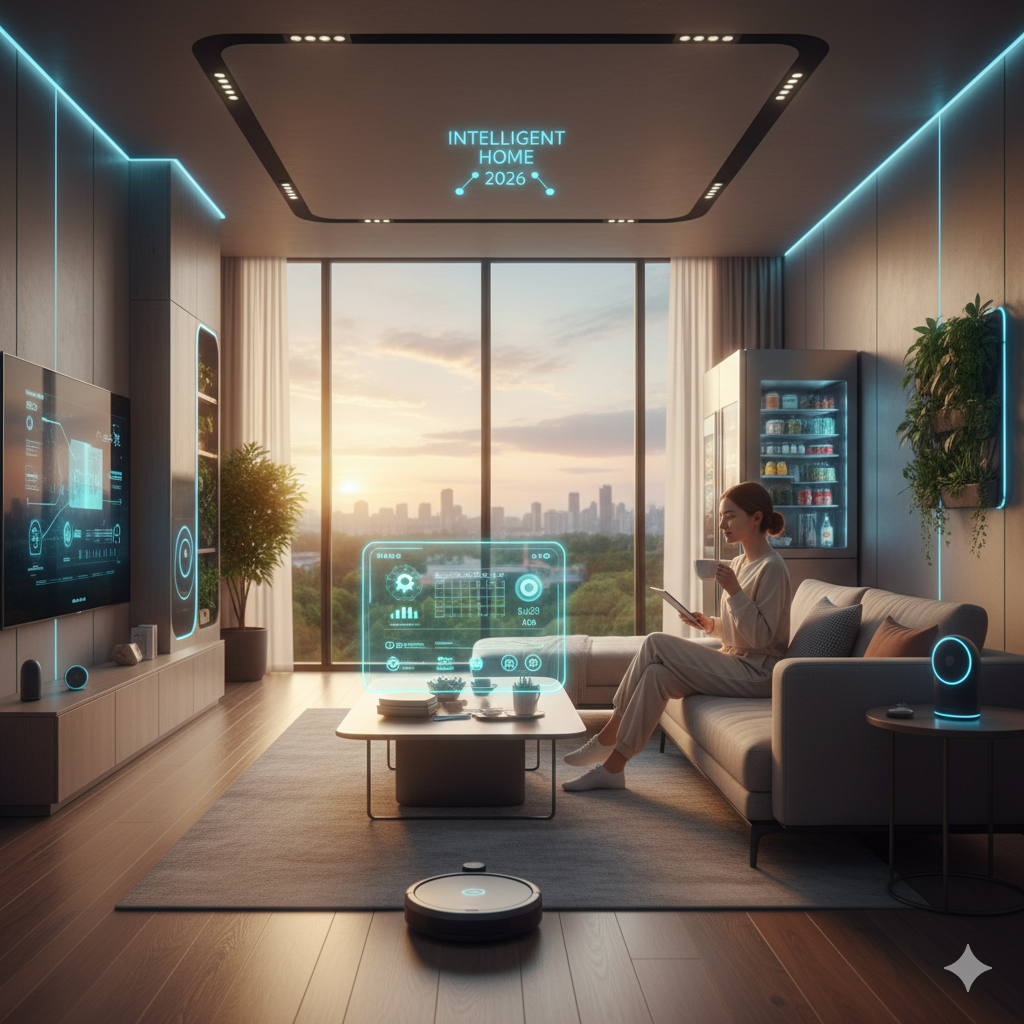
by Introduction: The Rise of Intelligent Homes in 2026
In 2026, intelligent homes are no longer a futuristic concept or a luxury reserved for tech enthusiasts. They have become a practical, everyday reality for millions of households around the world. As technology continues to evolve rapidly, people are increasingly looking for homes that can think, learn, and adapt to their lifestyles. Intelligent homes represent the next stage of smart living—homes that go beyond automation and offer personalized, human-centered experiences.
Unlike early smart homes that relied on simple voice commands or scheduled routines, intelligent homes in 2026 use advanced artificial intelligence, machine learning, and interconnected systems to anticipate needs before residents even ask. From energy efficiency and security to health monitoring and entertainment, intelligent homes are transforming how people live, relax, and interact with their surroundings.
This article explores what intelligent homes are, how they work, their key features, benefits, challenges, and why they are one of the most important technology trends of 2026.
What Are Intelligent Homes?
An intelligent home is an advanced version of a smart home that uses artificial intelligence (AI), data analytics, and connected devices to make autonomous decisions. Instead of simply responding to commands, intelligent homes learn from behavior, adapt to routines, and improve over time.
For example, an intelligent home can:
-
Adjust lighting based on mood and time of day
-
Control heating and cooling based on weather forecasts and personal preferences
-
Detect unusual activity and enhance security automatically
-
Optimize energy usage without manual input
In 2026, intelligent homes are designed to feel less like machines and more like intuitive living spaces that understand human needs.
Key Technologies Powering Intelligent Homes in 2026
Artificial Intelligence and Machine Learning
AI is the core of intelligent homes. Machine learning algorithms analyze data from sensors, cameras, and user behavior to make accurate predictions. Over time, the system becomes smarter, offering more precise responses and automation.
Internet of Things (IoT)
IoT connects all home devices—lights, thermostats, appliances, security systems, and wearables—into a single ecosystem. In 2026, IoT networks are faster, more secure, and more reliable than ever before.
Edge Computing
Instead of sending all data to the cloud, intelligent homes now process much of their information locally using edge computing. This reduces latency, improves privacy, and allows real-time decision-making.
Voice and Gesture Recognition
Voice assistants have evolved to understand natural language, tone, and context. Gesture recognition and facial recognition are also increasingly used, allowing residents to control their homes without speaking or touching devices.
Core Features of Intelligent Homes
1. Personalized Automation
One of the biggest advantages of intelligent homes is personalization. The system learns daily habits—when residents wake up, how they prefer their coffee, what temperature they like at night—and automates tasks accordingly.
For example, lights gradually brighten in the morning, curtains open automatically, and calming music plays during evening hours. The home adapts as lifestyles change, making daily life smoother and more comfortable.
2. Energy Efficiency and Sustainability
In 2026, energy efficiency is a top priority. Intelligent homes monitor energy consumption in real time and make automatic adjustments to reduce waste. Solar panels, smart grids, and battery storage systems are seamlessly integrated.
The home may:
-
Lower energy use during peak hours
-
Switch to renewable energy sources when available
-
Suggest energy-saving habits to residents
This not only reduces utility bills but also supports global sustainability goals.
3. Advanced Home Security
Security systems in intelligent homes are far more advanced than traditional alarms. AI-powered cameras can distinguish between family members, guests, pets, and potential intruders.
Key security features include:
-
Real-time threat detection
-
Facial recognition access control
-
Automatic emergency alerts
-
Integration with local authorities or private security services
In 2026, intelligent homes prioritize proactive security rather than reactive responses.
4. Health and Wellness Monitoring
Health-focused technology is one of the fastest-growing aspects of intelligent homes. Sensors and connected wearables can monitor sleep patterns, air quality, posture, and daily activity levels.
Some intelligent homes can:
-
Adjust lighting to improve sleep cycles
-
Monitor indoor air quality and humidity
-
Detect falls or irregular movement
-
Support mental wellness through calming environments
These features are especially beneficial for families, elderly residents, and individuals focused on healthy living.
5. Smart Kitchens and Appliances
Kitchens have become smarter and more intuitive in 2026. Intelligent refrigerators track food freshness, suggest recipes, and help reduce waste. Ovens adjust cooking times automatically, while dishwashers optimize water usage.
Smart appliances communicate with each other, creating a seamless cooking and dining experience that saves time and effort.
6. Entertainment and Lifestyle Integration
Entertainment systems in intelligent homes are immersive and personalized. AI curates content based on mood, preferences, and viewing habits. Lighting, sound, and temperature adjust automatically to enhance movies, games, or relaxation.
Homes also integrate work and learning environments, supporting remote work and online education with adaptive lighting, noise control, and ergonomic setups.
Benefits of Intelligent Homes in 2026
Improved Quality of Life
Intelligent homes reduce daily stress by automating routine tasks and creating comfortable living environments. Residents spend less time managing their homes and more time enjoying life.
Cost Savings
Although initial setup costs can be high, intelligent homes save money over time through energy efficiency, reduced maintenance, and optimized resource use.
Enhanced Safety and Peace of Mind
Advanced security systems and health monitoring provide constant protection and reassurance, especially for families and elderly individuals.
Accessibility and Inclusivity
Intelligent homes support people with disabilities by offering voice control, automation, and adaptive environments that promote independence.
Challenges and Concerns
Privacy and Data Security
With large amounts of personal data being collected, privacy is a major concern. In 2026, companies are focusing on stronger encryption, local data processing, and transparent privacy policies to address these issues.
Cost and Accessibility
While prices are decreasing, intelligent homes can still be expensive. However, modular systems allow homeowners to upgrade gradually, making the technology more accessible.
Technical Complexity
Some users may find intelligent systems complex to manage. To solve this, interfaces in 2026 are designed to be more user-friendly, with simple dashboards and natural interactions.
Intelligent Homes and the Future of Real Estate
Real estate markets in 2026 strongly favor intelligent homes. Buyers increasingly expect smart features as standard, not optional extras. Intelligent homes increase property value and attract environmentally conscious and tech-savvy buyers.
Builders and architects are now designing homes with intelligence built into the structure, rather than added later.
Intelligent Homes vs Smart Homes: Key Differences
| Smart Homes | Intelligent Homes |
|---|---|
| Rule-based automation | AI-driven decision making |
| Manual setup required | Self-learning systems |
| Limited personalization | Highly adaptive environments |
| Reactive responses | Predictive behavior |
This shift marks a major evolution in how people interact with their living spaces.
Why Intelligent Homes Matter in 2026
The popularity of intelligent homes reflects a larger societal shift toward convenience, sustainability, and human-centered technology. People want homes that support their well-being, respect their time, and adapt to their needs.
In a fast-paced world, intelligent homes offer a sense of balance—combining advanced technology with comfort and simplicity.
Conclusion: The Intelligent Home Era Has Arrived
In 2026, intelligent homes are redefining what it means to live comfortably and efficiently. Powered by AI, IoT, and sustainable technologies, these homes go beyond automation to create truly responsive living environments.
As technology continues to advance, intelligent homes will become even more intuitive, affordable, and essential. They are not just a trend—they are the foundation of future living.
For homeowners, renters, and builders alike, embracing intelligent home technology means embracing a smarter, safer, and more connected way of life.